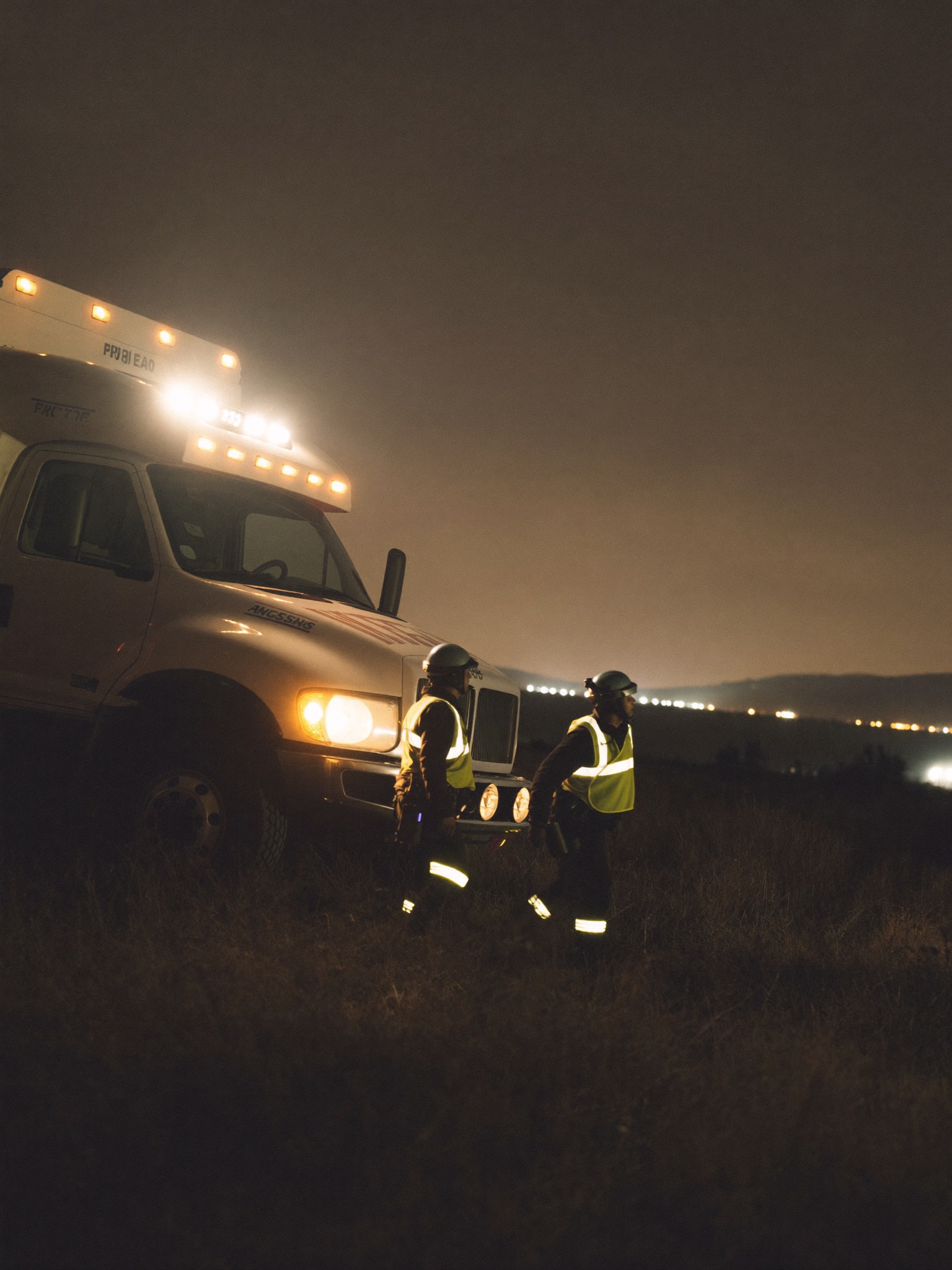
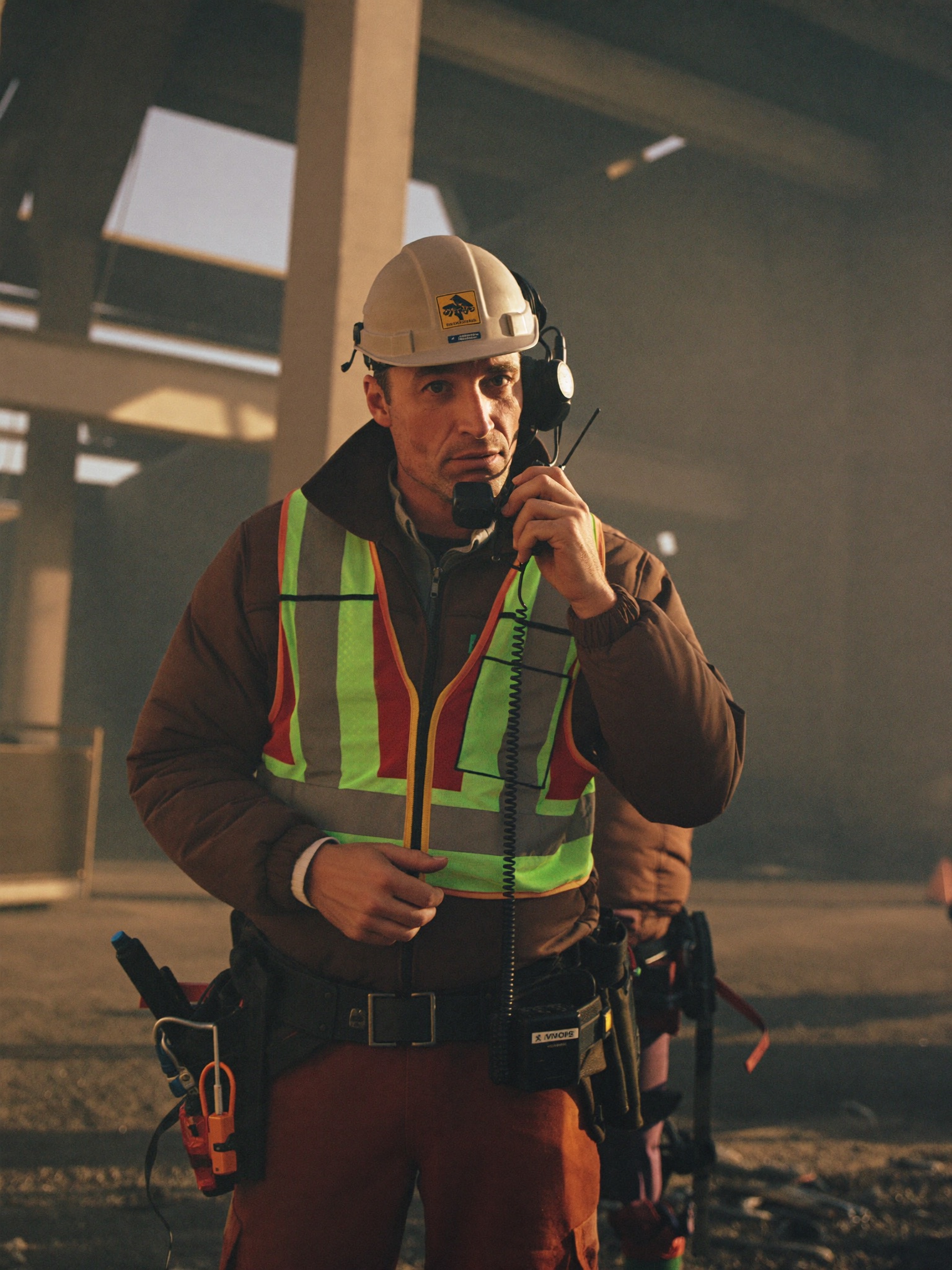
24/7 callout response for oil & gas operators: no field failure waits on a desk
In oil & gas field operations, downtime is the enemy. When a pump, compressor, or wellsite system fails, every hour it sits costs production and money — and after-hours callouts too often land in a voicemail box nobody checks until the office opens. Speed of response is the entire game.
That's what 24/7 lead response means: every call and text gets a real, calm, qualified response in seconds — at 2pm on a Tuesday and at 2am on a Sunday. Below we break down why answering first wins the job, how AI lead response works for an oil & gas operation, and how to stop losing emergencies to voicemail.
A field failure doesn't wait politely. Every hour on a voicemail is lost production.
Why operators lose the emergencies that pay best
Field emergencies happen when the office is closed — nights, weekends, holidays. The callout lands in a voicemail box or an unstaffed line, and by the time someone checks it, a manageable problem has become a costly one. Every delayed callout is downtime, lost production, and a safety risk because nobody picked up.
The operators who win aren't necessarily better in the field. They're better at answering. A fast, well-routed response turns the failures you already generate into booked, premium revenue.
How it works
How AI lead response works for a oil & gas operation
Workfloor sits behind the phone number and web forms you already advertise. When a call comes in, it does what your calmest dispatcher would — only it never sleeps, never takes lunch, and never puts a panicking site contact on hold.
1. It answers everything, instantly
Calls are picked up in a natural voice; texts get an instant reply. No hold music, no voicemail. When multiple sites report at once, every line is answered. (Hear a sample on the Voice AI demo.)
2. It gauges urgency like a pro
This is what separates lead response from an answering service. Workfloor asks the right questions, captures the site and equipment details, and flags genuine emergencies. That's Emergency Callout Routing — and it routes the urgent ones straight to your on-call crew, then schedules routine work through Compliance & Inspection Scheduling.
3. It books the job and logs it
Workfloor routes the callout to the right crew, logs it to your system, and confirms back to the site contact. Routine requests get scheduled instead of escalated. Prefer to text? Text Messaging handles two-way communication from your existing number.
Questions
Frequently asked questions
Yes. It answers instantly, gauges severity, captures the site and equipment details, and escalates to the right on-call crew with full context. See Emergency Callout Routing.
Yes — natural and conversational, trained on your shop's tone. Most site contacts can't tell, and it hands off to a person whenever a call needs one. Hear a sample call.
No. Workfloor works with your existing callout line and logs into your field-service and scheduling systems. Nothing to rip out.
They're answered just as fast, and missed calls get an automatic text-back so no callout is ever dropped. See Text Messaging.